Salton Rice Cooker Instructions: A Comprehensive Guide
Discover effortless cooking with your Salton rice cooker! This guide details usage, maintenance, and troubleshooting for models like RC-1203, RC-2126, and RA7ST, ensuring perfectly cooked rice every time.
Understanding Your Salton Rice Cooker Model
Salton offers a variety of rice cooker models, each designed for convenient and consistent results. Identifying your specific model – such as RC-1203, RC-2126/RC2129, or RA7ST – is crucial for accessing the correct instructions and maximizing its features.
Different models may have varying capacities (e.g., 7-cup) and functionalities, including ‘micom’ technology for precise cooking. It’s important to note that adding liquids directly into the cooker base is strictly prohibited, as highlighted in the RC2126/RC2129 instruction booklet.
Referencing your user guide, readily available through resources like the Internet Archive, will provide detailed specifications and operational nuances specific to your Salton rice cooker. Understanding these distinctions ensures optimal performance and longevity of your appliance.
Identifying Key Components
Your Salton rice cooker comprises several essential parts working in harmony. These include the Rice/Cooking Bowl, where the rice and water combine for cooking; the Removable Inner Lid, crucial for trapping steam and heat; and the Steaming Basket, enabling simultaneous vegetable preparation.
Additionally, the Steam Vent plays a vital role in releasing excess pressure during the cooking process. The appliance also features an AC Power Plug and Socket for electrical connection. Understanding the function of each component is key to proper operation and maintenance.
Remember, these parts – the inner lid, bowl, and steaming basket – are typically dishwasher safe when washed in warm, soapy water. However, avoid abrasive cleaners or scouring pads to prevent damage, ensuring the longevity of your Salton rice cooker.
Initial Setup and Preparation
Before your first use, carefully unpack your Salton rice cooker and remove all packaging materials. Inspect the appliance and its components – the cooking bowl, inner lid, and steaming basket – for any visible damage. Wash these removable parts in warm, soapy water and dry them thoroughly.
Crucially, ensure the exterior of the rice cooker base remains dry at all times. Never add any liquids directly to the base unit, as this could cause electrical hazards or damage the internal mechanisms. Place the rice cooker on a stable, level surface away from water sources.
Familiarize yourself with the location of the power plug and socket. A quick initial check ensures a safe and efficient cooking experience with your new Salton appliance, setting the stage for perfectly cooked rice and more!
Cooking Rice: Basic Instructions
To begin, measure the desired amount of rice and place it into the cooking bowl. Rinse the rice under cold water until the water runs clear – this removes excess starch for fluffier results. Add the appropriate amount of water, referencing the ratio guidelines (detailed in a later section) for your specific rice type.
Securely place the cooking bowl into the rice cooker base. Close the lid tightly, ensuring it’s properly sealed. Plug the rice cooker into a grounded electrical outlet. Press the ‘Cook’ button to initiate the cooking cycle. The cooker will automatically switch to the ‘Warm’ function once cooking is complete.
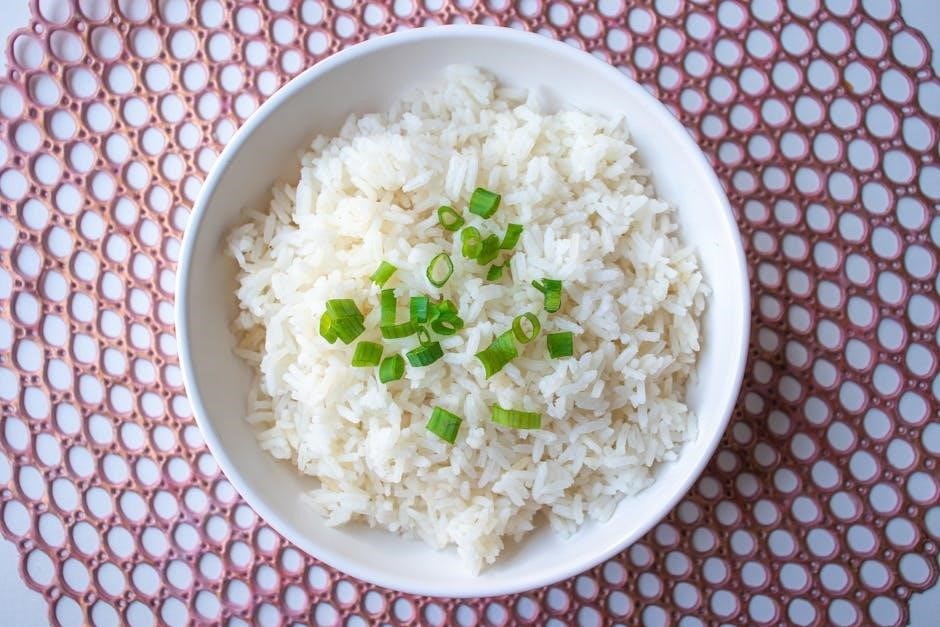
Allow the rice to stand on the ‘Warm’ setting for 10-15 minutes before serving. Gently fluff the rice with a fork to separate the grains. Enjoy your perfectly cooked rice!
Measuring Rice and Water Ratios
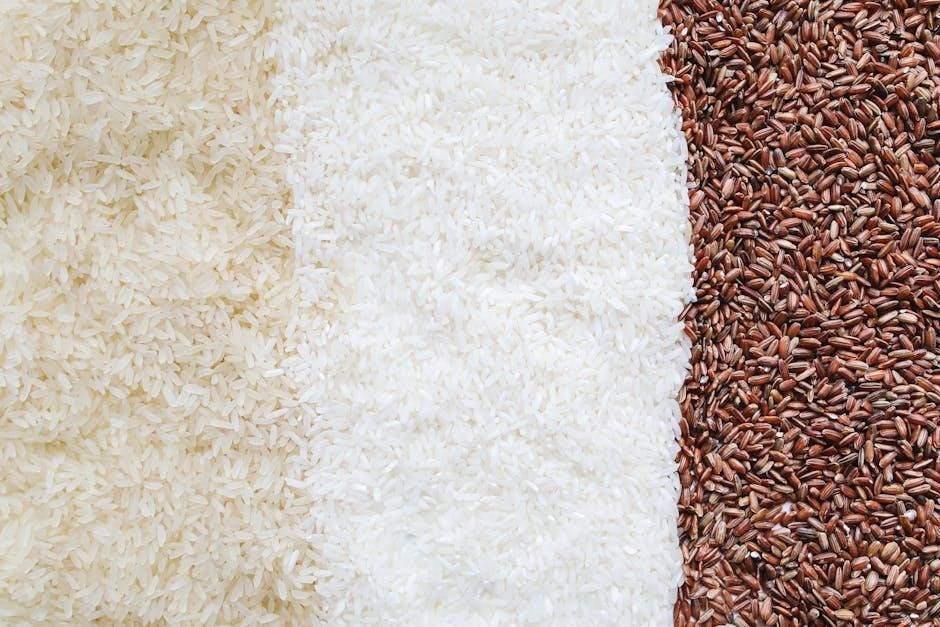
Achieving perfect rice requires precise water-to-rice ratios. For white rice, a common starting point is a 1:1 ratio – one cup of rice to one cup of water. However, this can vary based on rice type and personal preference. Long-grain rice generally needs slightly less water than short-grain.
Brown rice, being denser, requires more water; a 1:2 ratio (one cup rice to two cups water) is often recommended. Always refer to the rice packaging for specific instructions. Experimenting with small adjustments is key to finding your ideal consistency.
Remember, these are guidelines. Some models may have markings inside the cooking bowl indicating water levels for different cup measurements of rice. Accurate measurement ensures optimal cooking and prevents burning or undercooked rice.
Different Rice Types and Cooking Times
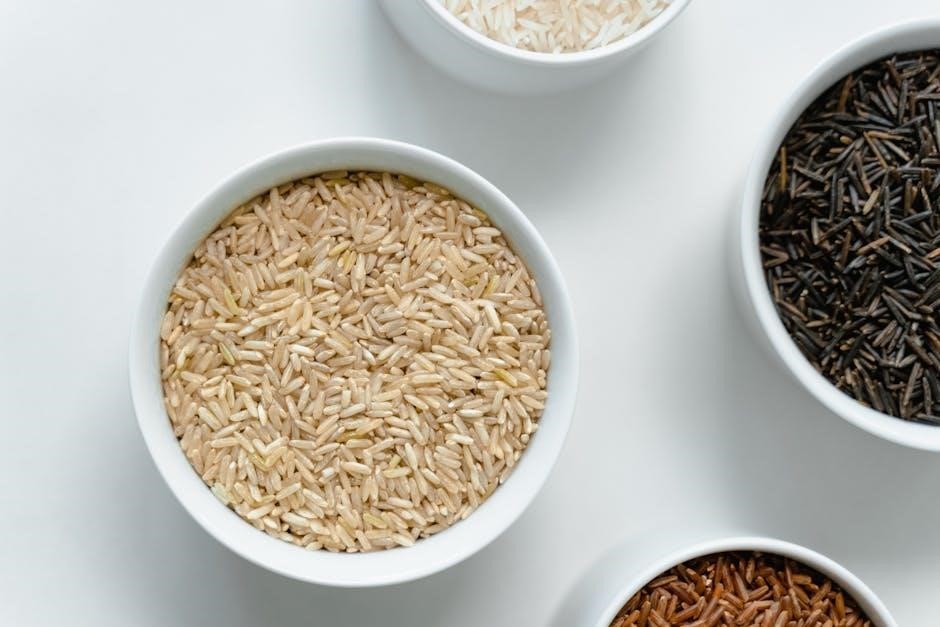
Salton rice cookers excel with various rice types, but cooking times differ. White rice, including long and medium grain, typically cooks in around 20-25 minutes. Jasmine and Basmati rice, known for their fragrance, fall within this timeframe, often benefiting from a slightly reduced water ratio.
Brown rice, due to its bran layer, requires a longer cooking time – approximately 45-50 minutes. Wild rice, a nutritious option, takes even longer, potentially up to 60 minutes or more. Sticky rice demands specific preparation, often involving soaking before cooking.
Always consult the rice packaging for recommended cooking times. Your Salton cooker’s automatic functions will switch to ‘Warm’ once cooking is complete, ensuring your rice stays at the perfect serving temperature.
Using the Cook/Warm Function
The core of your Salton rice cooker lies in its ‘Cook/Warm’ functionality. Once you initiate the cooking cycle, the appliance automatically heats to the optimal temperature for rice preparation. Upon completion, it seamlessly transitions to the ‘Warm’ setting.
This ‘Warm’ function maintains the rice at a serving-ready temperature without overcooking, preventing it from becoming dry or burnt. It’s ideal for keeping rice warm for extended periods, up to several hours, ensuring a delicious meal is always available.
Avoid lifting the lid frequently during cooking, as this releases steam and affects the cooking process. The ‘Warm’ function is energy-efficient, consuming minimal power to keep your rice perfectly heated. Remember to unplug the cooker when not in use.
Steaming Vegetables and Other Foods
Your Salton rice cooker isn’t limited to just rice! It’s a versatile kitchen tool capable of steaming vegetables, fish, and other delicate foods. Utilize the included steaming basket, ensuring it’s securely placed inside the cooking bowl above the water level.
Add water to the bowl – the amount depends on the steaming time required for your chosen food. Generally, 1-2 cups are sufficient. Place the food within the steaming basket, ensuring it doesn’t touch the water directly. Close the lid tightly to trap the steam.
Cooking times will vary depending on the vegetable or food being steamed. Check for doneness periodically. This method preserves nutrients and flavors, offering a healthy cooking alternative. Remember to exercise caution when removing the hot steaming basket!
Cooking Grains Other Than Rice
Beyond rice, your Salton cooker can prepare various grains like quinoa, barley, and oats. However, adjustments to water ratios and cooking times are crucial for optimal results. Unlike rice, these grains often require different liquid-to-grain proportions.
Generally, quinoa and barley need slightly more water than white rice – experiment with a 1.5:1 water-to-grain ratio as a starting point. For oats, use a 2:1 ratio for a creamier texture. Always consult specific grain package instructions for guidance.
Monitor the cooking process closely, as some grains may cook faster than rice. The ‘Cook/Warm’ function is useful for maintaining the ideal temperature after cooking. Remember to stir the grain after cooking to ensure even moisture distribution and prevent sticking.
Cleaning and Maintenance
Regular cleaning ensures your Salton rice cooker’s longevity and hygiene. Always unplug the appliance and allow it to cool completely before cleaning. The removable inner lid, rice/cooking bowl, and steaming basket are typically dishwasher safe, offering convenient cleaning.
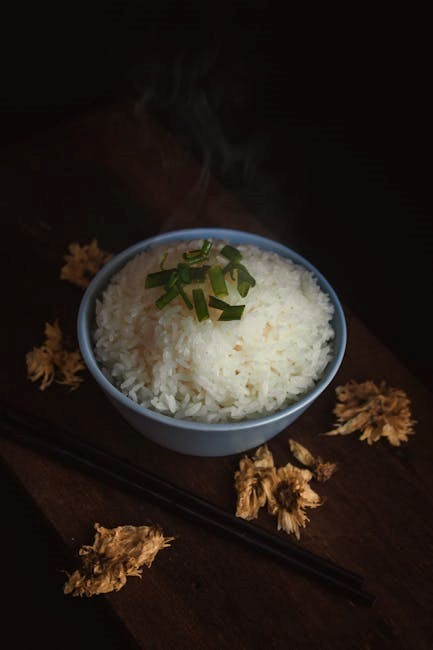
However, avoid using harsh cleansers or abrasive scouring pads, as these can damage the non-stick coating. Warm, soapy water is generally sufficient for thorough cleaning. Wipe the exterior of the rice cooker base with a damp cloth; never immerse the base in water.
Pay attention to the steam vent, ensuring it’s free from blockages. Thoroughly dry all components before reassembling. Consistent cleaning prevents food buildup and maintains optimal performance, extending the life of your Salton appliance.
Removable Parts and Dishwasher Safety
Your Salton rice cooker is designed with several removable parts for easy cleaning. These typically include the inner lid, the rice/cooking bowl, and the steaming basket. These components are often, but not always, dishwasher safe, providing a convenient cleaning option.
Before placing these parts in the dishwasher, consult your specific model’s user manual to confirm dishwasher compatibility. While generally safe, repeated dishwasher cycles may eventually diminish the non-stick coating’s effectiveness.
Alternatively, these parts can be washed by hand using warm, soapy water. Ensure all parts are thoroughly dried before reassembling the rice cooker. Crucially, the rice cooker base itself should never be immersed in water or placed in the dishwasher, as this could cause electrical damage.
Avoiding Damage to the Rice Cooker
To ensure the longevity of your Salton rice cooker, several precautions are essential. Never add any liquids directly into the rice cooker base; this can cause severe electrical damage and void the warranty. Always use the provided cooking bowl for rice and liquids.
Avoid using harsh cleansers or abrasive scouring pads when cleaning the removable parts, as these can scratch and damage the non-stick coating. Gentle cleaning with warm, soapy water is recommended. Do not attempt to disassemble any parts beyond those specifically designed for removal.
Furthermore, ensure the cooker is placed on a stable, heat-resistant surface during operation. Avoid covering the steam vent during cooking, as this can lead to pressure buildup. Regular cleaning and proper handling will significantly extend the life of your appliance.
Troubleshooting Common Issues
If your Salton rice cooker isn’t turning on, first verify the power cord is securely plugged into a functioning outlet. Check if the cooker’s lid is properly closed, as many models have a safety interlock. For burnt or underdone rice, adjust the water-to-rice ratio according to the type of rice being cooked – different varieties require varying amounts of liquid.
Ensure you are using the correct cooking settings for the rice type. If the rice is sticking, try lightly coating the inner bowl with cooking oil before adding rice and water. Regularly inspect the heating element for any buildup or damage, though avoid direct contact.
Remember to consult the user manual for model-specific troubleshooting tips. If problems persist, contact Salton Appliances customer support for assistance, avoiding any attempts at self-repair that could void the warranty.
Rice Cooker Not Turning On
When your Salton rice cooker fails to power on, begin with the simplest checks. Confirm the power cord is firmly connected to both the cooker and a working electrical outlet. Test the outlet with another appliance to rule out a power supply issue. Next, ensure the lid is securely and correctly positioned; many Salton models feature a safety mechanism that prevents operation if the lid isn’t fully closed.
Inspect the power cord itself for any visible damage, such as cuts or fraying. If damage is detected, discontinue use immediately. Also, check the cooker’s internal fuse (if applicable) and replace it if necessary, following safety guidelines.
If these steps don’t resolve the issue, consult the user manual for model-specific troubleshooting or contact Salton’s customer support for further assistance. Avoid attempting internal repairs yourself.
Rice is Burning or Underdone
If your rice consistently burns, the most common cause is an incorrect water-to-rice ratio. Refer to the ‘Measuring Rice and Water Ratios’ section of this guide, and adjust accordingly. Ensure you are using the correct ratio for the specific type of rice you are cooking, as different varieties require varying amounts of water.
Conversely, underdone rice usually indicates insufficient water. Add a small amount of water (1-2 tablespoons) to the cooker, close the lid, and allow it to continue cooking for a short period. Avoid lifting the lid frequently during the cooking process, as this releases steam and affects cooking time.
Also, check that the inner cooking bowl is clean and free of any residue from previous cooking sessions. A buildup of starch can sometimes contribute to burning. Finally, ensure the heating element is functioning correctly.
Safety Precautions
Always prioritize safety when operating your Salton rice cooker. Never immerse the rice cooker base in water or any other liquid; this presents a serious electrical hazard. Ensure the appliance is unplugged before cleaning and allow it to cool completely.
Keep the power cord away from hot surfaces and sharp edges to prevent damage. Do not operate the appliance with a damaged cord or plug, or after it malfunctions. Avoid using extension cords if possible; if necessary, use a heavy-duty extension cord suitable for the appliance’s wattage.
Supervise children when the rice cooker is in use. Never leave the appliance unattended during operation. Be cautious of hot steam released during and after cooking, and avoid direct contact. Regularly inspect the appliance for any signs of damage.
Electrical Safety Guidelines
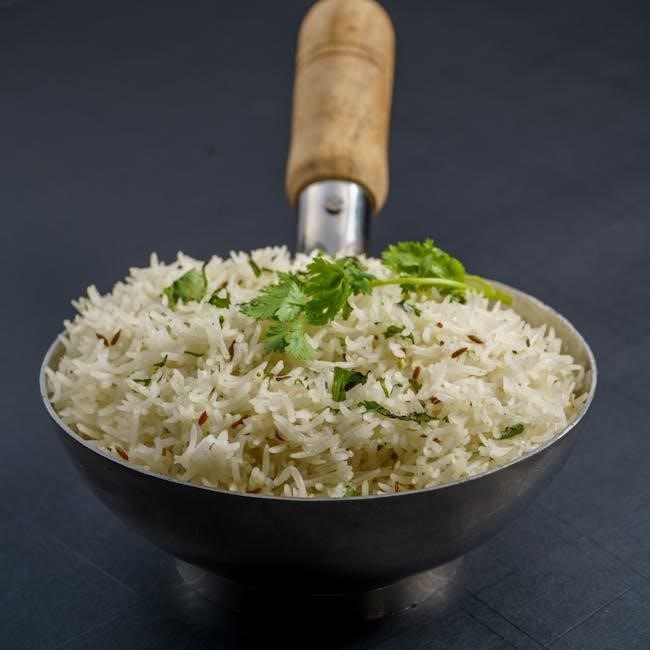
To ensure safe operation, always connect your Salton rice cooker to a grounded electrical outlet matching the voltage specified on the appliance’s label. Never operate the cooker with wet hands or in a damp environment, as this increases the risk of electric shock. Avoid running the power cord under carpets or rugs, or near heat sources.
Do not attempt to repair the rice cooker yourself; any repairs should be performed by a qualified technician. Unplug the appliance immediately if it emits unusual smells or sounds, or if you notice any smoke. Inspect the power cord regularly for damage, and replace it if necessary.
Ensure the outlet is not overloaded with other appliances. Keep the area around the rice cooker clear of flammable materials. Always disconnect the appliance from the power source before cleaning or storing it, prioritizing personal safety.
Proper Usage to Prevent Accidents
Always place the Salton rice cooker on a stable, heat-resistant surface away from the edge to prevent accidental tipping. Never add liquids directly into the rice cooker base; this can cause electrical hazards. Ensure the inner cooking bowl is properly seated before operation. Avoid touching hot surfaces, utilizing handles and knobs instead.
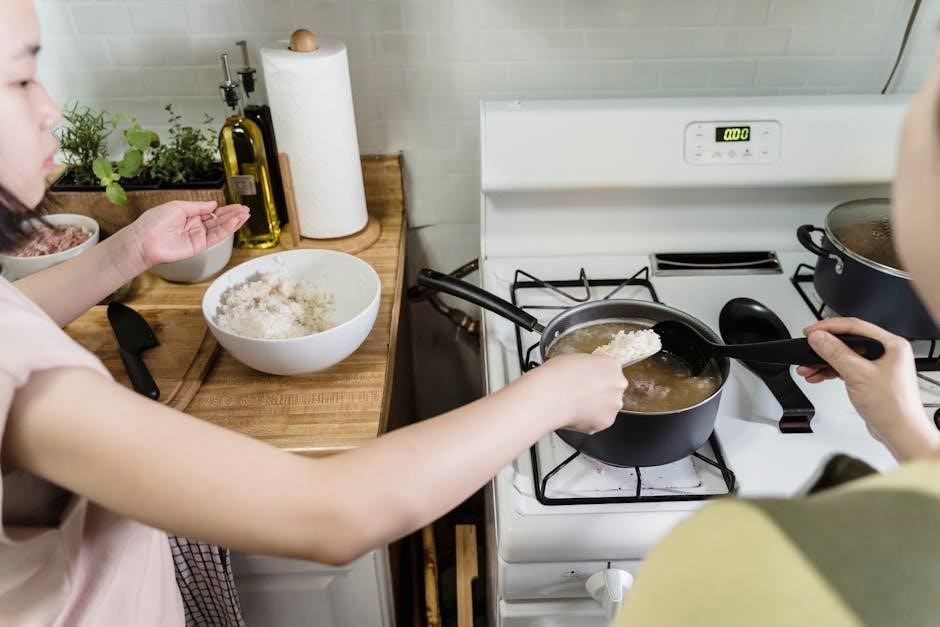
Do not leave the rice cooker unattended during operation, especially around children. Be cautious of escaping steam, which can cause burns; direct steam away from yourself and others. Never attempt to force the lid open while cooking, allowing pressure to release naturally.
Always unplug the cooker before cleaning and allow it to cool completely. Avoid using abrasive cleaners or scouring pads that could damage the non-stick coating. Regularly inspect all components for wear and tear, replacing them as needed for continued safe operation.