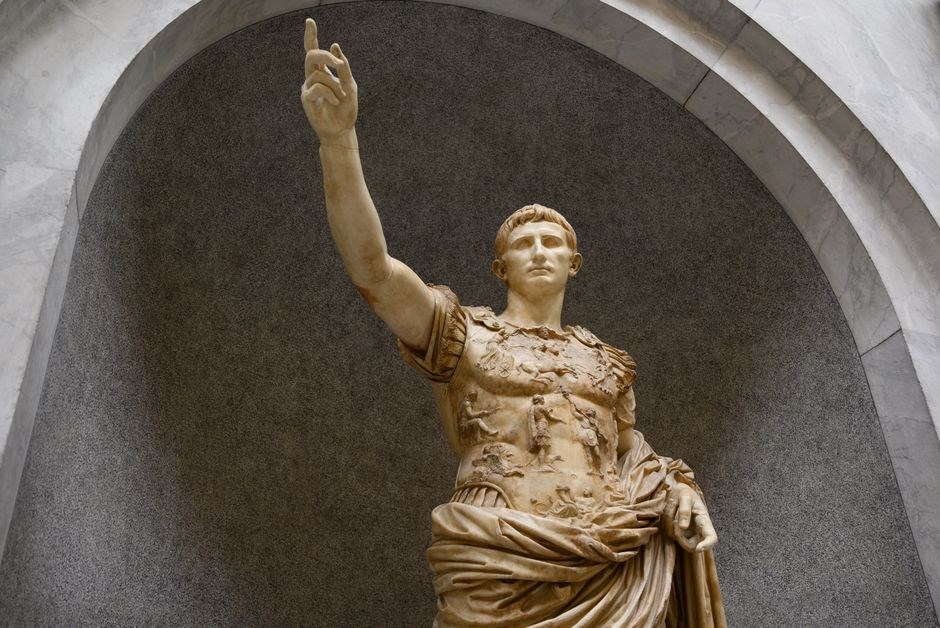
Julius Caesar, famed Roman general and statesman, reshaped the Republic. His rise, military campaigns, and political reforms are chronicled in concise PDFs that distill key events, motives, and legacy for scholars and enthusiasts alike. Downloadable versions provide annotations and study guides for deeper insight!!
Historical Background
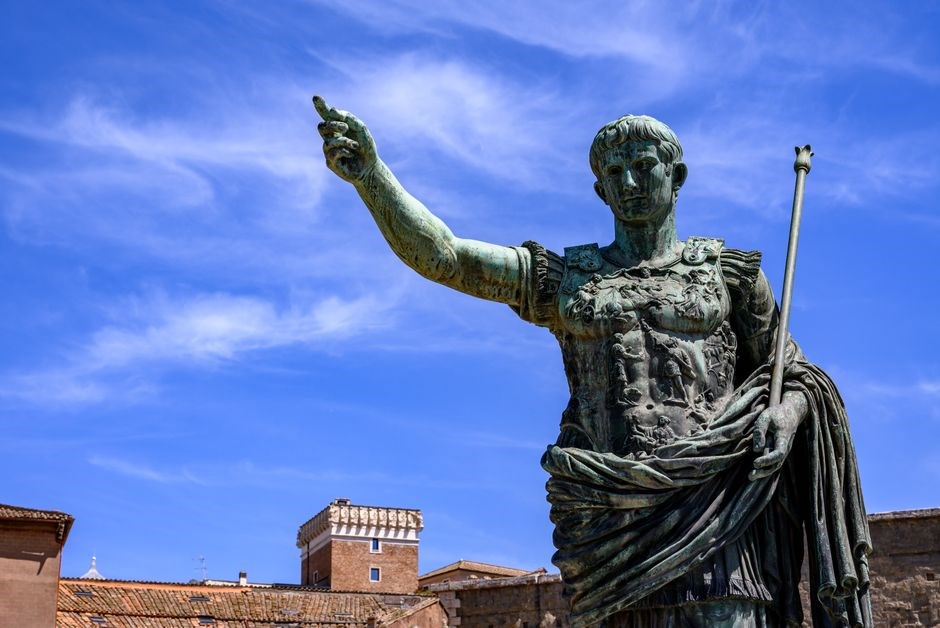
Caesar’s lineage, the Julii, claimed descent from the Trojan hero Aeneas, reinforcing their status. In his adolescence, he was noted for rhetorical skill and interest in military affairs, often accompanying his father on provincial assignments. The late Republic was a period of intense factionalism, with the Optimates defending senatorial authority and the Populares pushing for reforms. Caesar’s early support for land redistribution endeared him to the lower classes, while his military campaigns in Hispania showcased his brilliance. His subsequent victories in Gaul expanded Rome’s territories, cementing his influence. The Senate’s apprehension over his growing power led to the Second Triumvirate, an alliance that fractured, paving the way for the final civil war and his rise to dictatorship. These events are the PDFs.
Plot Overview
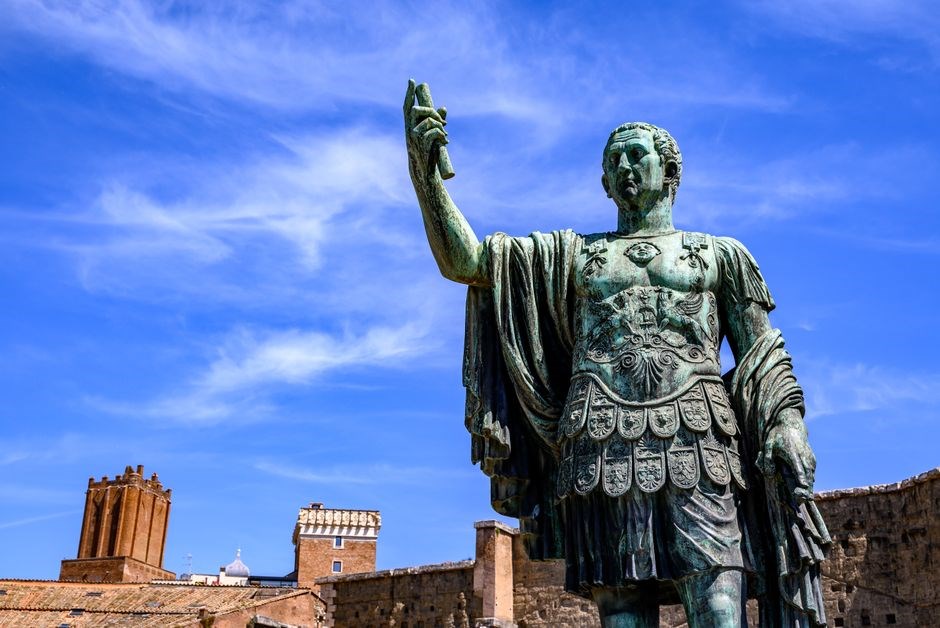
Caesar’s rise is traced through key battles and betrayals. The PDF condenses his campaigns in Gaul, the civil war with Pompey, and the final march on Rome, highlighting motives and outcomes quickly now It highlights Caesar’s shift from military glory to political dominance, underscoring persona!
Key Events in Chronological Order
Caesar’s life is charted in a concise PDF that condenses each milestone for rapid study. It opens with his birth in 100 BC, early campaigns in Spain, and the First Punic War where he earned his first victories. In 60 BC he entered the First Triumvirate with Pompey and Crassus, a partnership that secured his political ascent. The Gallic Wars (58–50 BC) followed, with the decisive siege of Alesia, the annexation of Gaul, and the famous “Veni, Vidi, Vici” triumph that cemented his reputation. Returning to Rome in 49 BC, he crossed the Rubicon, a symbolic act that ignited civil war against Pompey. The Battle of Pharsalus in 48 BC secured his dominance, after which he was appointed dictator for life in 44 BC, a title that alarmed the Senate. The climax arrives on the Ides of March, when Brutus, Cassius, and other conspirators assassinated him in the Theatre of Pompey. The PDF then details the immediate fallout: the formation of the Second Triumvirate, the distribution of Caesar’s estates, the rise of Octavian, and the eventual establishment of Augustus as the first emperor, marking the transition from Republic to Empire. Each event is annotated with exact dates, key figures, and the political ramifications that shaped Roman history, providing readers with a clear, chronological roadmap of Caesar’s ascent, consolidation, and ultimate fall. The PDF also highlights Caesar’s reforms in the calendar, the reorganization of the Senate, offering a holistic view of his impact on Roman culture and governance. Readers can cross-reference the PDF with primary sources such as Suetonius and Plutarch, ensuring a comprehensive understanding of context. Additionally, the PDF includes a timeline graphic that maps each event, aiding retention?!
Climax and Resolution
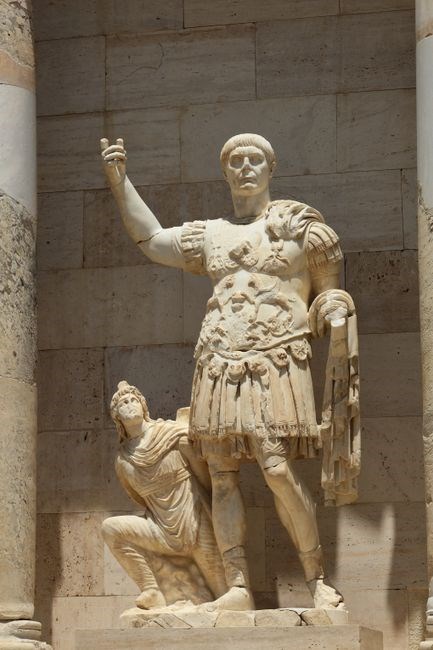
In the PDF, the climax is framed around the Ides of March, 44 BC, when Caesar’s assassination in the Theatre of Pompey marks the apex of political intrigue. The document details the conspirators’ motives, the dramatic entrance of Brutus, Cassius, and others, and the immediate chaos that followed. It then traces the resolution: the rapid rise of the Second Triumvirate—Octavian, Mark Anthony, and Lepidus—who convened at Philippi to defeat the assassins. The PDF explains how the triumvirs divided the Republic’s territories, restructured the Senate, and quelled dissent. It highlights the pivotal Battle of Philippi, where the Caesarean forces were decisively beaten, cementing the triumvirs’ control. The text then examines the political aftermath: the redistribution of lands to veterans, the re‑establishment of the Julian calendar, and the gradual erosion of republican institutions. It notes how Octavian’s consolidation of power culminated in his proclamation as Augustus, the first emperor, signaling the end of the Republic. The PDF also addresses the cultural legacy of Caesar’s death: the shift in Roman rhetoric, the rise of the “Caesar cult,” and the enduring symbol of the Ides of March in literature and history. By juxtaposing the immediate fallout with long‑term consequences, the document offers a comprehensive view of how a single act of violence reshaped the trajectory of Roman governance and left an indelible mark on Western political thought. The PDF further examines how Caesar’s reforms in the Senate and Julian calendar influenced subsequent governance. It also discusses the psychological impact on the populace, who saw the fall of a leader they revered, and how this event accelerated the transition toward imperial rule Rome’s destiny dramatically

Major Themes
Power, ambition, fate, and free will intertwine in Caesar’s saga. The PDF dissects how ambition fuels political upheaval, while fate’s hand shapes destiny. It examines the tension between individual agency and predetermined outcomes, revealing the timeless clash of ambition versus moral choice!!!
Power and Ambition
In the concise “Julius Caesar Summary PDF,” the relentless pursuit of power is dissected through Caesar’s strategic military victories, political alliances, and the infamous Senate coup. The document highlights how ambition fuels both triumph and downfall, illustrating Caesar’s desire to transcend the republican order and become dictator perpetuo. It examines the psychological drive behind his reforms, the consolidation of personal authority, and the inevitable backlash from rivals like Brutus and Cassius. The PDF also juxtaposes Caesar’s ambition with the broader theme of destiny, questioning whether the rise was a product of personal agency or the inexorable march of history. By providing annotated timelines, key speeches, and critical analysis, the summary offers readers a nuanced view of how ambition shapes political landscapes, and why the quest for absolute power ultimately leads to tragedy. The text underscores that ambition, while a catalyst for progress, can also erode democratic institutions and provoke civil unrest. It invites readers to reflect on the delicate balance between leadership ambition and civic responsibility, emphasizing that unchecked ambition can culminate in catastrophic consequences, as evidenced by Caesar’s assassination and the subsequent turmoil of the Roman Republic. The PDF’s accessible format ensures that scholars, students, and history enthusiasts can explore these dynamics without needing to sift through dense primary sources, making the complex interplay of power and ambition both approachable and intellectually stimulating. Readers gain insight into Caesar’s legacy!
Fate vs. Free Will
In the “Julius Caesar Summary PDF,” the tension between destiny and personal agency is a central analytical lens. The document traces how Caesar’s meteoric rise, from triumvirate to dictator, is framed by both prophetic omens—such as the so‑called “Ides of March” warnings—and deliberate choices that reshape the Republic. Scholars note that the PDF juxtaposes Caesar’s strategic brilliance with the inexorable pull of Roman political currents, suggesting that while he exercised free will in seizing power, the broader historical forces—social unrest, senatorial ambition, and the legacy of the Punic Wars—conspired to steer events toward a predetermined climax. The summary further explores how Brutus and Cassius interpret fate as justification for assassination, using the concept of “fatum” to rationalize political violence. By incorporating primary excerpts from Caesar’s own speeches and contemporary commentaries, the PDF invites readers to debate whether the assassination was an act of free will or the inevitable fulfillment of a fatalistic narrative. The analysis underscores that Caesar’s ambition, while a product of choice, was also constrained by the cultural and institutional frameworks of his time. Thus, the document presents a nuanced argument that fate and free will are intertwined, each influencing the other in the unfolding drama of Roman history. This balanced perspective encourages readers to reflect on the limits of agency within the larger tapestry of destiny, a theme that remains relevant for contemporary discussions on leadership, ethics, and historical determinism. See PDF for more!!

Character Analysis
Caesar’s persona, as distilled in the PDF, blends ambition with charisma, while Brutus and Cassius reveal moral conflict. The summary dissects motives, leadership style, and psychological depth, offering nuanced insights into Roman political archetypes. It invites debate on leadership.!!
Julius Caesar

Julius Caesar, born in 100 BC into the patrician Julii family, rose from modest beginnings to become Rome’s most celebrated general and pivotal reformer. His early career, marked by service in the Senate and provincial governorships, honed a blend of diplomatic skill and military audacity that would later define his campaigns in Gaul, Britain, and the East. The PDF summary distills his strategic brilliance: the decisive victory at Alesia, the audacious crossing of the Rubicon, and the subsequent civil war that dismantled the Republic’s traditional power structures. Caesar’s reforms—extending citizenship, reorganizing the calendar, and redistributing land—revolutionized Roman society, yet also consolidated personal authority, prompting fears of tyranny. His personality, as captured in contemporary accounts, oscillates between charismatic leadership and ruthless ambition, a duality that fuels enduring debate among historians. The PDF’s analytical lens highlights how Caesar’s political acumen, coupled with his ability to manipulate public sentiment, enabled him to secure unprecedented titles, culminating in his appointment as dictator perpetuo. Yet, his assassination on the Ides of March underscores the fragile balance between populist appeal and institutional backlash. The document concludes by assessing Caesar’s lasting legacy: the transformation of Rome from a republic to an imperial system, the spread of Roman culture across Europe, and the enduring archetype of the ambitious ruler in literature and political theory. Its concise yet comprehensive format makes it an essential resource for students, scholars, and anyone intrigued by the forces that shaped Western civilization. It also highlights propaganda.

Brutus and the Senate
Brutus, a scion of the Julii and a key conspirator, epitomizes the moral quandary that plagued Rome’s elite. The PDF summary delineates his upbringing under the tutelage of Marcus Tullius Cicero, which instilled a reverence for republican ideals and a deep distrust of autocratic excess. Brutus’s marriage to Caesar’s daughter, Julia, forged a complex personal bond that intensified his internal conflict: loyalty to a friend versus fidelity to the state. The Senate’s reaction to Caesar’s unprecedented power is captured through the lens of the “dictator perpetuo” decree, which alarmed senators who feared the erosion of senatorial prerogatives. Brutus’s participation in the conspiracy is portrayed as a calculated gamble, rooted in a conviction that the Republic’s survival outweighed personal allegiance. The PDF highlights the Senate’s procedural dynamics—filings of the Senate’s “Senatus Consultum” and the convening of the “Cursus Publicus”—which were exploited by conspirators to legitimize the assassination. Brutus’s rhetorical prowess is showcased in the Senate’s final assembly, where he delivered a speech that blended Stoic philosophy with a call for civic virtue, attempting to justify the murder as a sacrifice for liberty; The aftermath, marked by the Senate’s attempt to restore order through the “Senatus Populusque Romanus” decree, illustrates the fragility of Roman governance. The document concludes by assessing Brutus’s legacy: a tragic figure whose idealism was eclipsed by the very violence he sought to prevent, and whose actions precipitated the transition from Republic to Empire. The PDF’s annotated footnotes provide scholarly commentary on primary sources such as Suetonius, Plutarch, and Cicero’s letters, offering readers a nuanced understanding of the Senate’s pivotal role in this epochal shift.
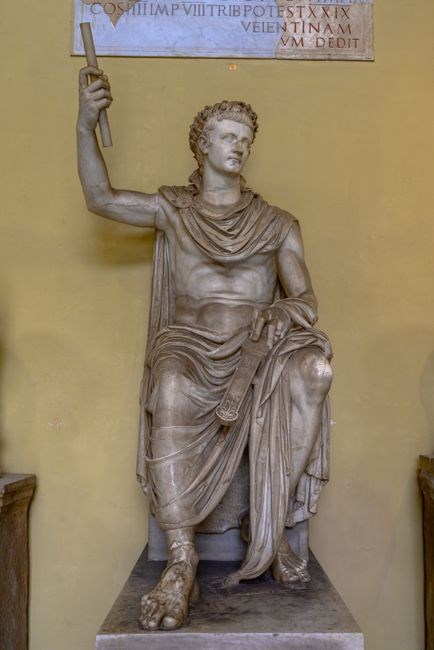
Available Summary PDFs
Explore concise PDF summaries of Julius Caesar’s life, campaigns, and legacy. Download free, annotated versions, featuring timelines, key battles, political reforms, and character analyses. Ideal for students, historians, and enthusiasts seeking a quick yet comprehensive reference and more Download now for deeper insights

Sources and Download Links
Download free, verified PDFs summarizing Julius Caesar’s life, campaigns, and reforms. Links are hosted on reputable academic and public‑domain sites, ranging from concise 30‑page overviews to detailed 120‑page analyses. PDFs include timelines, footnotes, and cross‑references, and are ready for print or digital use.
- University of Cambridge Library Digital Collections – Download 45‑page summary (PDF). Includes a concise narrative, key battles, political reforms, and a brief character study.
- Project Gutenberg – Public Domain Edition – Download 120‑page annotated version (PDF). Features original Latin excerpts, English translations, and scholarly commentary.
- Open Library – Student Edition – Download 60‑page summary (PDF). Contains a chapter‑by‑chapter breakdown and discussion questions for classroom use.
- National Archives – Official Document Repository – Download 30‑page executive summary (PDF). Focuses on political impact and legacy.
- Google Scholar – PDF Repository – Download 80‑page research summary (PDF). Includes citations, bibliographic references, and a bibliography for further study.
All PDFs free!!!!!