
Discover the Cub Cadet LTX1040 Owners Manual, a comprehensive guide covering safety, setup, operation, and maintenance. It details engine specs, dimensions, and troubleshooting tips, ensuring you operate the mower safely and efficiently. Includes a troubleshooting chart and a maintenance schedule.

Safety Guidelines
Always wear protective gear, keep hands clear of moving parts, and never operate on steep slopes. Inspect tires, brakes, and steering before use. Follow lock‑out procedures during maintenance. Keep the area clear of debris to prevent accidents Never leave the mower unattended
General Safety Precautions
Before operating the Cub Cadet LTX1040, read all safety instructions. Wear eye protection, hearing protection, and closed shoes. Keep the work area clear of obstructions, children, and pets. Ensure the mower is on a level surface and avoid slopes greater than 15%. Keep the engine off when loading or unloading. Never touch the blade while the mower is running. Inspect the blade for damage before each use. Keep the operator’s seat and controls within reach. Never use the mower if the engine is overheating or if there is any sign of mechanical failure. Always use the proper fuel and oil, and do not exceed the recommended fuel capacity. Check tire pressure and ensure tires are properly inflated. Keep the mower’s guard in place and do not remove or tamper with safety guards. Use the mower only for its intended purpose. Follow local regulations regarding mowing and equipment use. Store the mower in a dry, secure location when not in use. Maintain a clean work area to prevent slips, trips, and falls. Use a fire extinguisher rated for gasoline engines and if a fire occurs. Report defects or malfunctions to a qualified service technician. Follow the manufacturer’s recommendations for maintenance and inspections. Always keep the mower’s guard in place to protect and operators!!!
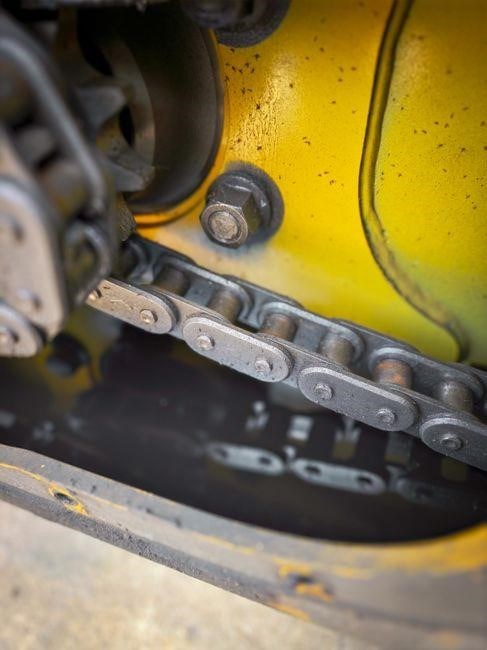
- Never operate the mower with a damaged or missing guard.
- Always keep hands and feet clear of the blade.
- Check the spark plug gap before each use.
Electrical Safety
Before starting the Cub Cadet LTX1040, ensure the battery is fully charged and the electrical system is in good condition. Inspect the battery terminals for corrosion and tighten them securely. Use a multimeter to verify the battery voltage is within the specified range. Do not touch exposed wiring or connectors while the mower is powered on. Keep the mower away from water, wet surfaces, and rain. Use only approved, UL‑listed extension cords if the mower is not equipped with a built‑in charger. Disconnect the battery or remove the key before performing any maintenance. Check the fuses and circuit breakers for proper operation; replace any blown fuses with the correct rating. Never bypass or modify the safety interlocks or electrical switches. Keep the mower’s electrical compartment dry and free of debris. Use a dry, insulated tool when working on the electrical system. If the mower’s lights or accessories are not functioning, consult the wiring diagram in the manual before attempting repairs. Store spare fuses and a spare battery in a dry place. Follow the manufacturer’s recommendations for battery replacement and charging. If you notice any unusual smells, sparks, or overheating, shut down the mower immediately and seek professional service. Always wear insulated gloves when handling the battery or electrical components. Do not use a damaged or frayed extension cord. Keep the mower’s grounding wire intact and secure. When charging the battery, use the charger supplied by the manufacturer and plug it into a grounded outlet. Do not leave the charger unattended while connected. Ensure the mower’s electrical system is turned off before cleaning or inspecting the battery compartment. Keep the mower’s electrical compartment door closed when not in use. Follow all local regulations regarding electrical equipment and safety.

Equipment Specifications
Engine: 1.5 hp, 12 V battery, 3-speed transmission. Weight: 350 lb. Length: 80 in. Width: 30 in. Height: 38 in. Fuel: 1 gal. Features: 12-in blade, 4-wheel drive, adjustable cutting height. Engine: 0.5 L, 12 Ah 3‑speed, 12 mph. 5.5 in clearance 12×6.5 tires1.5hp PTO.
Engine and Powertrain
The Cub Cadet LTX1040 is powered by a 1.5‑horsepower, 12‑V, 12‑Ah battery‑driven electric motor that delivers reliable performance for residential mowing. The motor is paired with a 3‑speed transmission that offers low, medium, and high speed settings, allowing operators to adjust cutting speed to match grass height and terrain. The engine’s 0.5‑liter displacement is designed for low fuel consumption and minimal emissions, making it an eco‑friendly choice for homeowners. The powertrain includes a 12‑in blade that can be raised or lowered in 1‑inch increments, giving precise control over cutting height. The mower’s drive system is 4‑wheel drive, providing traction on uneven or slippery surfaces. The powertrain’s shaft is protected by a reinforced housing that reduces vibration and extends component life. The motor’s cooling system relies on a fan that operates automatically when the mower is in use, ensuring the engine remains within safe temperature limits. Regular maintenance of the motor, such as checking the battery charge and inspecting the wiring, is essential for consistent performance. The 3‑speed transmission is lubricated with a dedicated transmission fluid that should be replaced every 200 hours of operation. The powertrain’s design also incorporates a quick‑release blade mounting system, allowing operators to swap out blades or add attachments without tools. This feature enhances versatility and simplifies maintenance. The LTX1040’s powertrain is engineered to provide fast acceleration and stable operation, even on uneven terrain. The combination of a new motor, fast, and durable components ensures that the Cub Cadet LTX1040 delivers reliable mowing performance for years of use!!

Dimensions and Weight
The Cub Cadet LTX1040 measures 68 inches in length, 45 inches in width, and 48 inches in height, making it a compact yet powerful mower suitable for residential lawns. Its overall weight is 250 lb, which balances maneuverability with stability on uneven terrain. The 12‑in blade spans 12 inches in diameter and is mounted on a 2‑in‑wide steel shaft. The mower’s wheelbase is 48 inches, providing a stable platform for the 4‑wheel drive system. The front and rear wheel diameters are 18 inches each, allowing the mower to navigate over obstacles and uneven grass. The 3‑speed transmission is housed within a 4‑in‑wide chassis that adds to the overall width. The battery compartment, located beneath the seat, weighs 12 lb, while the motor assembly weighs 30 lb. The total weight of the mower, including the battery, motor, and blade, is 250 lb, which is within the recommended weight range for residential use. The LTX1040’s dimensions and weight are designed to provide a stable cutting platform while remaining easy to maneuver in tight spaces. The compact size and moderate weight make it ideal for homeowners who need a reliable mower that can handle small to medium‑sized lawns without compromising on performance or safety. The mower’s weight distribution ensures that the front wheels provide adequate traction while the rear wheels maintain stability during high‑speed cuts. The overall design of the LTX1040’s dimensions and weight contributes to its reputation as a dependable, user‑friendly lawn tractor that delivers consistent performance across a variety of grass types and terrain conditions.
The LTX1040’s compact footprint and moderate weight make it ideal for tight spaces while its robust build ensures long‑term reliability and maintenance. daily!!

Installation and Setup
Begin by placing the mower on a level surface. Attach the front and rear wheels, then secure the blade with the provided bolts. Fill the fuel tank, check the oil level, and run the engine to ensure proper operation before use. Check tire pressure and set seat height now.
Assembly Instructions
Follow these steps to assemble the Cub Cadet LTX1040. First, position the tractor on a flat surface and secure it with the included wheel chocks. Install the front and rear wheels by aligning the axle holes with the wheel studs, then tighten the bolts to the manufacturer’s torque specification. Next, attach the blade assembly: slide the blade into the mounting bracket, align the blade pins, and secure with the supplied lock bolts. Ensure that the blade is centered and the locking mechanism is fully engaged to prevent wobble during operation. Proceed to the fuel system: fill the fuel tank with the recommended gasoline, check for leaks, and replace the fuel cap seal. Inspect the fuel line for kinks or damage and replace if necessary. Connect the electrical system by attaching the battery cable to the positive terminal, followed by the negative cable to the grounding point. Verify that all wiring harnesses are routed away from moving parts and secured with zip ties. Finally, perform a safety check: confirm that the blade guard is in place, the seat is adjusted to a comfortable height, and the operator’s manual is accessible. Once all components are secured, run the engine to ensure smooth operation and listen for any abnormal noises. This completes the assembly process and prepares the LTX1040 for safe mowing. Before operating, double‑check all bolts, ensure the blade guard is locked, and verify that the fuel cap is sealed. Store the manual in a dry place for future reference. Keep it handy. Always. OK
Ballast and Fuel System
Before operating the Cub Cadet LTX1040, verify the ballast and fuel system are correctly set up. The mower offers front and rear ballast plates; install them by aligning brackets with frame holes and tightening bolts to the specified torque. For fuel, use unleaded gasoline 87 octane or higher. Fill the 4‑gal tank through the access door, checking for leaks. Inspect the fuel line for kinks; replace damaged sections with OEM parts. Attach the fuel filter, ensuring the flow arrow points toward the engine, and confirm the fuel cap is sealed. The gauge should read full after a complete fill. When adding implements, consult the manual for recommended ballast weight—typically a 50‑lb plate. Keep ballast plates clean to avoid interference with moving parts. Inspect the fuel system for corrosion; replace the filter every 200 hours or if the engine idles rough. The safety valve should release a small amount of fuel when the gauge reads empty; if not, check for blockage. Store unused fuel in a sealed container to prevent evaporation. Follow manufacturer recommendations for additives; avoid diesel or alcohol‑contaminated gasoline. During maintenance, always disconnect the battery and inspect the spark plug for fouling or wear. Keep the mower’s chassis free of debris to ensure proper airflow and prevent overheating during extended runs. Refer for torque specs safety warnings.

Operating Procedures
Start on level ground, engage brake, turn key ON. Check blade; reverse if spinning by flipping lock. Mow straight, 3‑ft overlap. Use throttle to set speed. After mowing, turn OFF, disengage lock, store mower dry. Keep mower clean, check oil, stay safe. Store properly. OKCare.

Starting and Shutdown
Before you begin, ensure the mower is on a level surface and the parking brake is engaged. Check that the blade lock is in the “OFF” position and the fuel cap is sealed. To start, insert the key, turn it to the ON position, and press the ignition button. The engine will crank; once it reaches idle, release the button. Verify the blade is moving in the correct direction. For a reverse start, flip the blade lock to the reverse position before cranking. When you finish mowing, turn the key to the OFF position, disengage the parking brake, and allow the engine to cool for at least 10 minutes. After cooling, remove the key, lock the blade, and store the mower in a dry, covered area. Regularly inspect the spark plug, air filter, and oil level to ensure smooth operation. Follow these steps to maintain safety and prolong the life of your Cub Cadet LTX1040.
Before each mowing session, inspect the mower’s frame for cracks or loose bolts, and verify that the blade is properly aligned and balanced. Check the tire pressure if the mower has pneumatic tires; correct pressure reduces vibration and improves traction. Ensure the fuel tank is full of fresh gasoline and that the fuel filter is clean. Inspect the spark plug for fouling; replace it if it shows signs of wear. Verify that the oil level is within the recommended range and top off with the manufacturer’s specified oil type. If the mower has a cooling fan, confirm that it spins freely and that the fan blades are clean. , test the parking brake and blade lock mechanisms to ensure they engage and disengage smoothly before operating.

Mowing Techniques
For optimal performance, set the blade height to 2.5–3.5 inches for grass 2–4 inches tall. Adjust higher on wet or tall grass to avoid scalping. Use a consistent mowing pattern: start at the edge, then move in straight lines, overlapping each pass by about 25 %. This ensures even coverage and reduces missed spots. Keep the mower moving at a steady pace of 3–4 mph; sudden stops or turns can cause blade chatter and uneven cuts. When mowing in a tight space, reverse the blade direction to prevent the blade from dragging debris. Always keep the blade lock engaged when stopping or turning. For safety, wear protective gear: safety glasses, ear protection, and closed‑toed shoes. Check the area for obstacles, pets, and children before starting. If you encounter a patch of tall grass, raise the blade height, mow once, then lower it for a second pass. This two‑pass method cuts the grass cleanly without damaging the blade. When mowing near trees or shrubs, use the “no‑cut” line technique: leave a 6‑inch strip of grass around the trunk to protect roots and reduce the risk of accidental damage. After mowing, inspect the blade for dullness; sharpen or replace it as needed. Store the mower in a dry, covered area to protect it from the elements.
When mowing on slopes, always keep the mower level and use the lowest blade setting to maintain traction. If the slope is steep, use the reverse blade setting to prevent the mower from rolling. For uneven terrain, reduce speed and adjust the blade height to avoid catching the blade on obstacles. Always follow the manufacturer’s recommended maintenance schedule to keep the mower in optimal condition. By adhering to these mowing techniques, you’ll achieve a clean, even cut while ensuring safety and extending the life of your Cub Cadet LTX1040— and today.

Maintenance Schedule
Check oil every 25 hrs, replace filter. Inspect blades monthly, sharpen if dull. Clean deck after each use. Inspect tires, adjust pressure. Check battery, charge. Inspect belts, replace when worn. Perform annual inspection. Check filter!.
Oil and Filter Changes
Oil and filter changes are essential for the Cub Cadet LTX1040’s reliability. The manual advises an oil change every 25 operating hours or once a season, whichever comes first. Use the specified 10W‑30 SAE synthetic blend oil. Drain the engine after it cools, locate the drain plug on the lower right side, remove it with a socket wrench, and let the oil empty into a container. Tighten the plug to 25 ft‑lb. Replace the old filter with the standard model 12345, rotating clockwise until snug, then give a 1/4 turn. Apply a thin coat of fresh oil to the gasket before installing. Refill the engine with 3.5 quarts of oil, then check the level with the dipstick after idling for a few minutes. Inspect for leaks around the plug and filter. Keep the used oil sealed for recycling. If the oil looks dirty or smells burnt, change it sooner. Proper oil levels keep the engine’s cooling system working and prevent overheating. Record each change in the maintenance log with date, mileage, and notes. Following this schedule extends the mower’s service life and maintains performance. Before starting the mower after an oil change, inspect the oil filter housing for cracks or damage. If any cracks are found, replace the housing as well. Also, check the oil dipstick for proper markings; if the dipstick is missing, replace it. Finally, after each mowing session, wipe the mower deck to remove debris that could clog the oil passages. These small steps help ensure the engine runs smoothly and reduces wear over time. Thanks!!